 Cookie preferences


Programmatic DOOH in Hong Kong: How It Works and What It Costs
Want to save time?
Summarize this article in seconds with AI
Traditional out-of-home advertising in Hong Kong has always meant fixed commitments: two weeks minimum, a single creative, a price negotiated weeks in advance. Programmatic DOOH changes most of that. You set a target audience and budget, a demand side platform buys screen time across a network of digital panels, and you can adjust mid campaign based on what's working.
This guide explains how programmatic DOOH works in Hong Kong, which screen networks are available, what it costs, and when it makes more sense than a traditional OOH buy.
Table of Contents
- What Is Programmatic DOOH?
- The pDOOH Ecosystem in Hong Kong: Networks and Screens
- How Programmatic DOOH Works in Practice
- Targeting Capabilities: What pDOOH Can Do That Traditional OOH Can't
- Programmatic DOOH Costs in Hong Kong
- pDOOH vs Traditional OOH: When to Use Which
- Current Challenges in HK's pDOOH Market
- Summary Table: pDOOH Costs in Hong Kong
- FAQ
What Is Programmatic DOOH?
Programmatic DOOH (pDOOH) is the automated buying and selling of digital out-of-home advertising inventory through technology platforms, demand side platforms (DSPs) on the buyer side, supply side platforms (SSPs) on the seller side, connected via real time bidding (RTB) protocols.
In plain terms: instead of booking a specific screen for a fixed period at a fixed price, you set targeting parameters (location, time of day, audience segment), define a budget and CPM bid, and the technology buys screen time across a network of digital panels wherever and whenever your criteria are met.
The core difference from traditional digital DOOH is the flexibility. You're not buying "Screen X from March 1-14." You're buying "impressions reaching office workers in Central between 8–10am on weekdays, with a maximum CPM of HK$60." The DSP handles the rest.
The pDOOH Ecosystem in Hong Kong: Networks and Screens
Hong Kong's programmatic DOOH inventory spans over 2,000 digital screens across five main network types (Hypertree 2026):
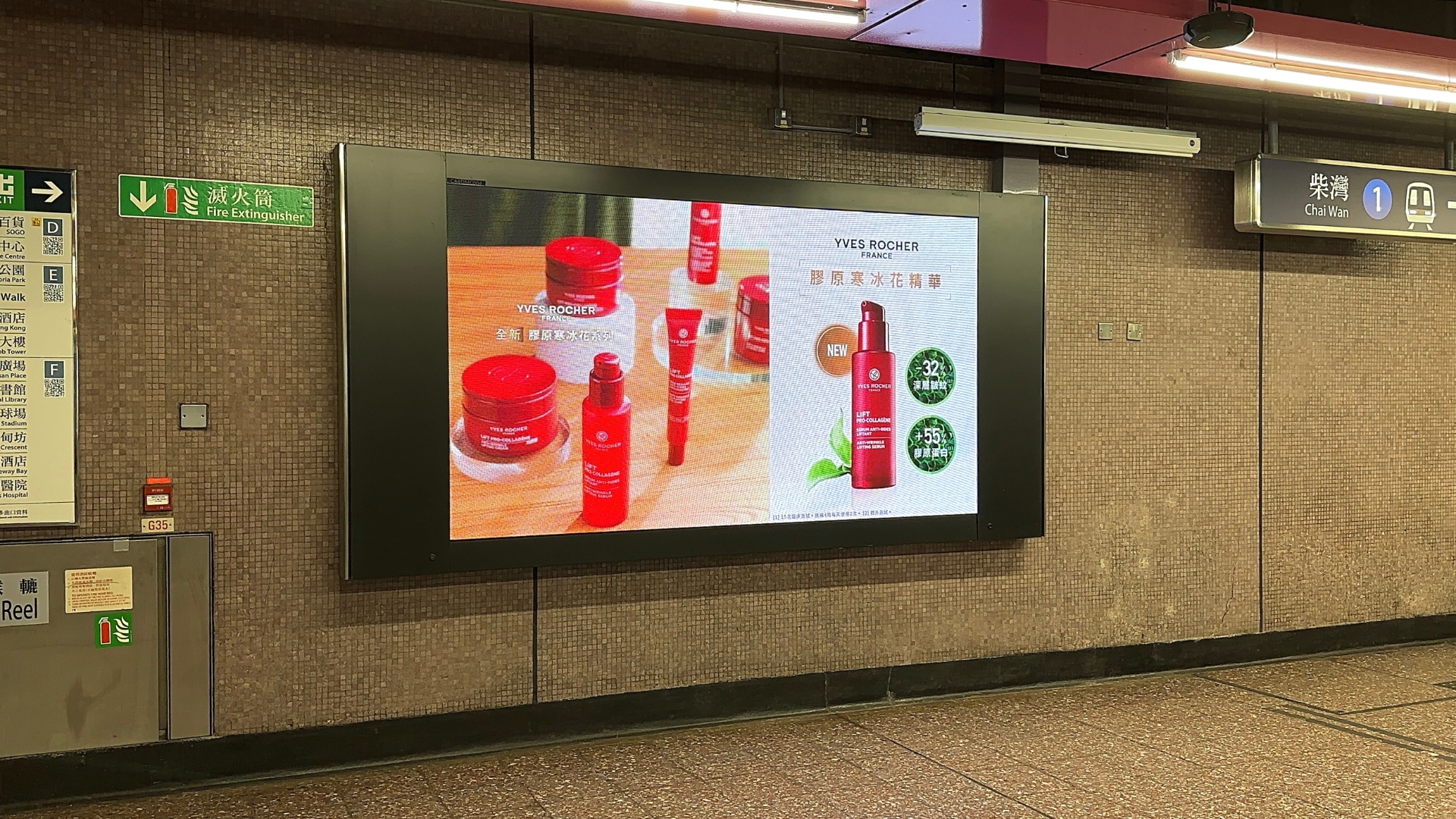
MTR Digital Screens
418 digital panels across 51 MTR stations, the largest single pDOOH inventory in Hong Kong. Platform screens, concourse panels, escalator crowns. MTR's 4.9 million daily passengers make this the highest footfall network available programmatically. MTR Advertising partnered with VIOOH as its SSP, enabling trading through over 35 DSP partners globally, including Hivestack, The Trade Desk and Yahoo.
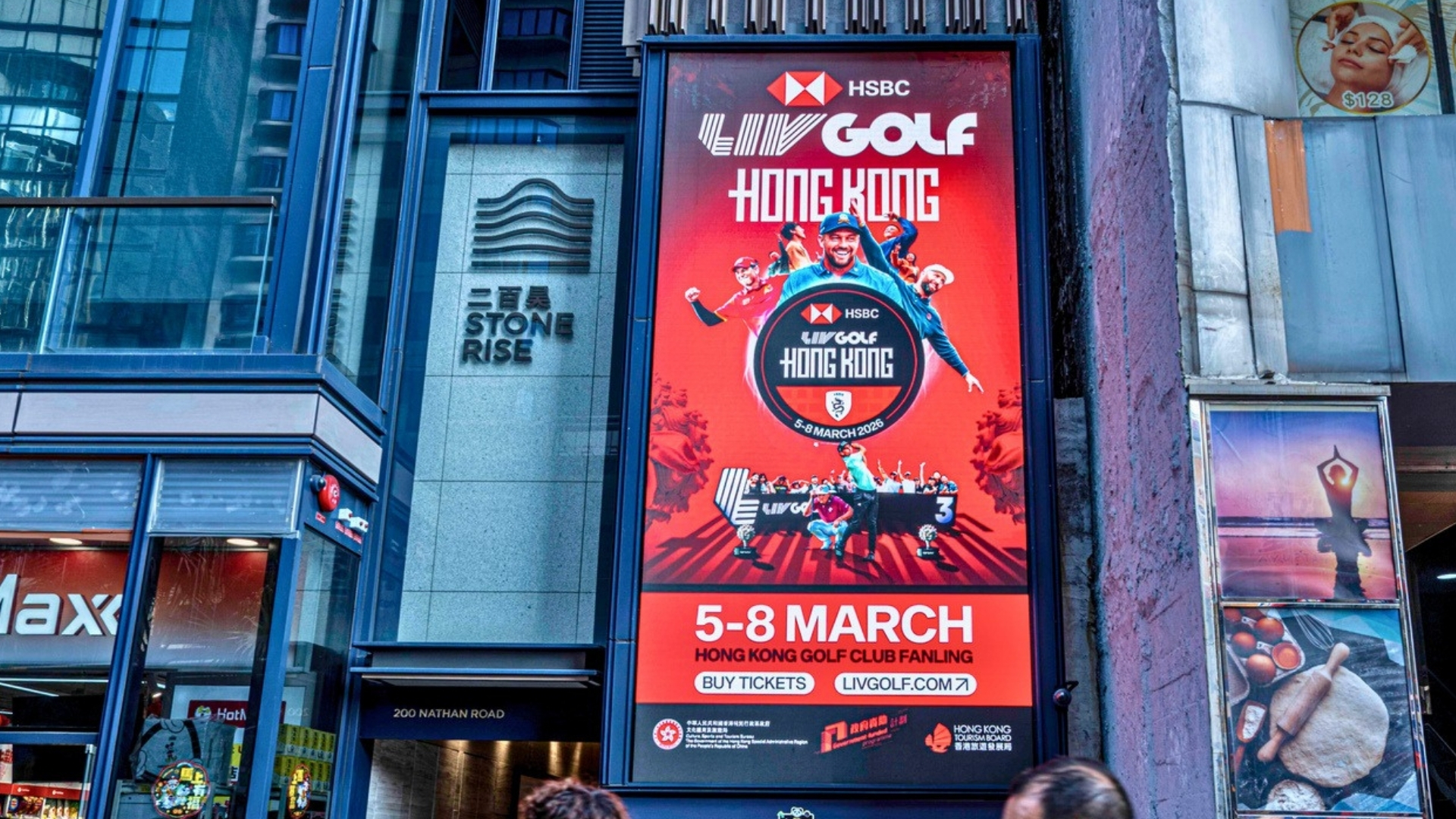
Shopping Mall Networks
LED screens in major shopping centres including IFC Mall, Pacific Place, Harbour City, Times Square and K11. Captures shoppers at point of purchase moments and benefits from the concentrated retail footfall in HK's mall centric retail environment.
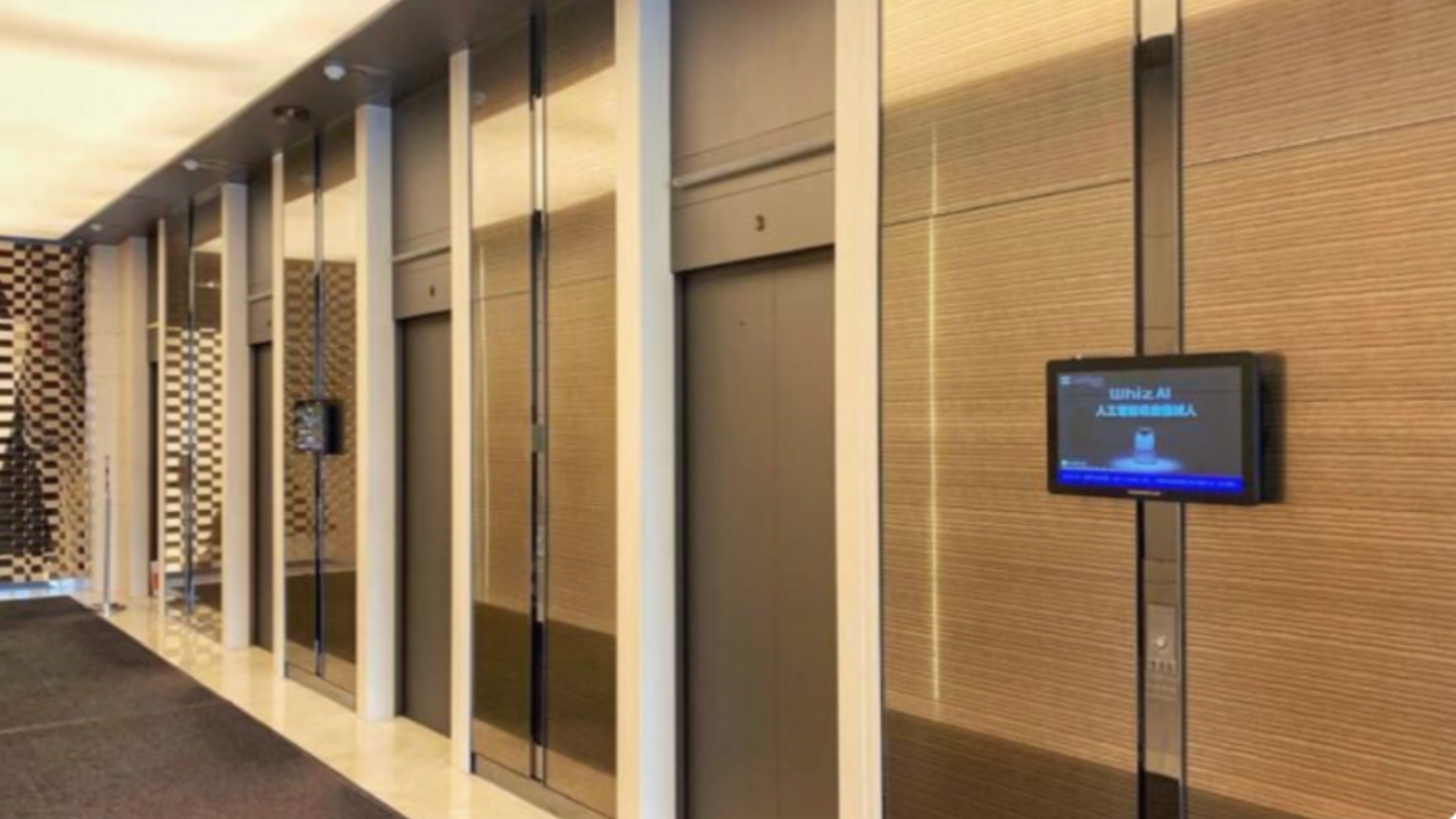
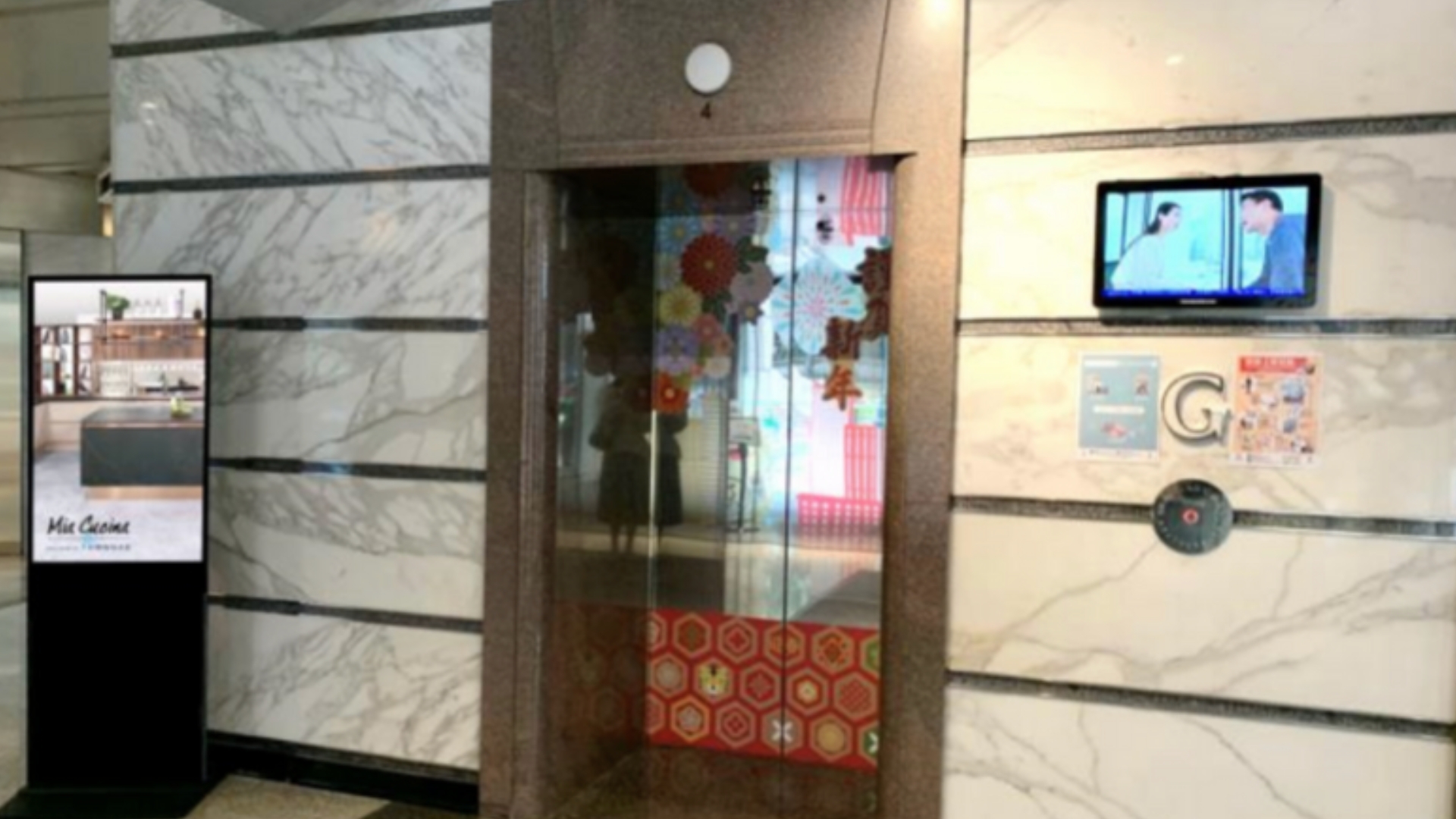
Grade A Office Lobbies
Digital screens in office tower lobbies in Central, Admiralty and Wan Chai. The most direct route to a finance and professional services audience during weekday commuting hours. Premium CPM, but highly selective targeting.
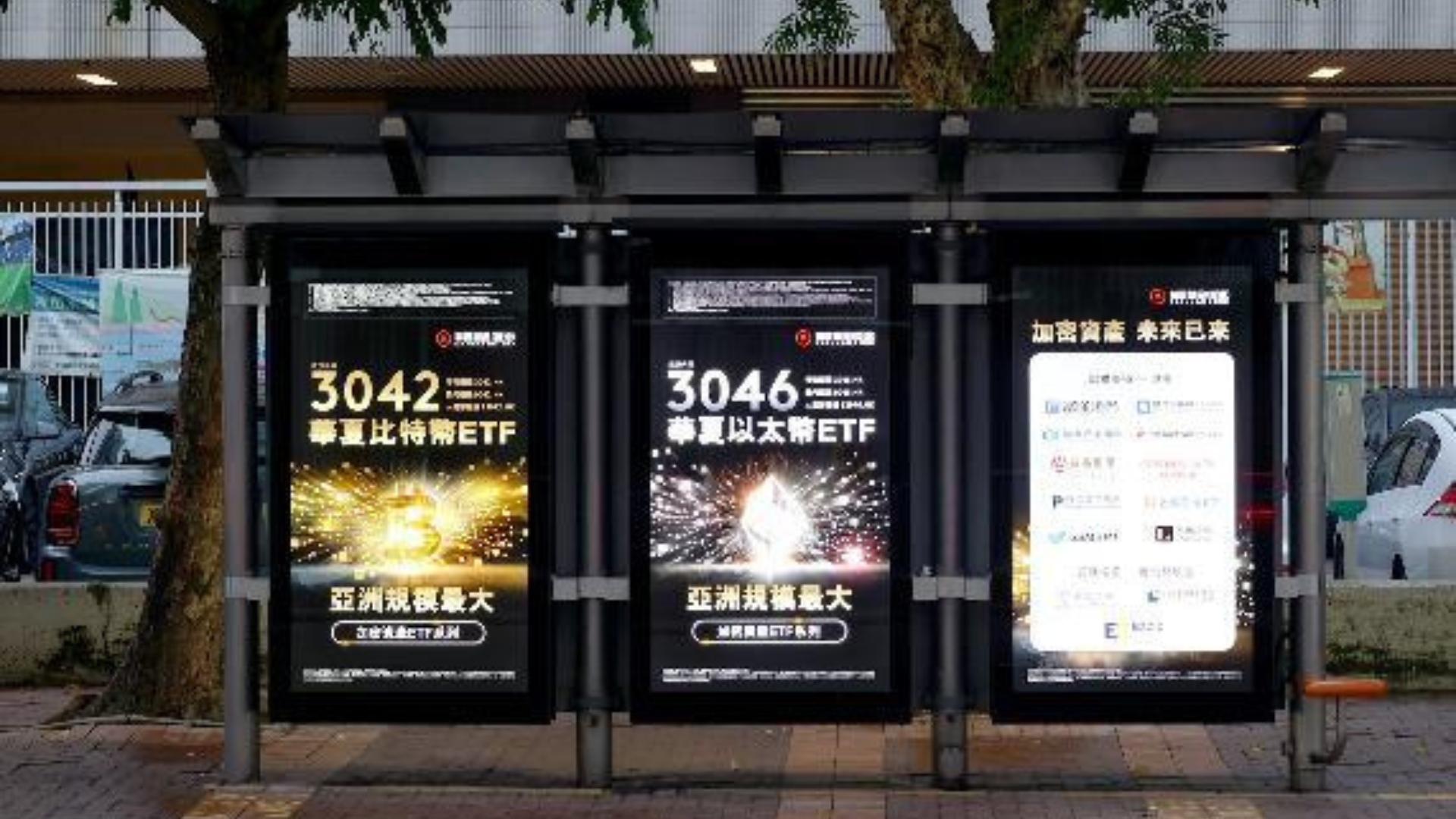
Bus Shelters and Pedestrian Areas
JCDecaux and Clear Channel digital bus shelter screens at street level across Causeway Bay, Mong Kok and Tsim Sha Tsui. Lower CPM, high frequency, broad reach across the city's busiest pedestrian zones.
Residential Lobby Screens
Elevator lobby screens in residential buildings across HK districts. Hyper local targeting, you can reach residents of specific estates or housing types with high daily frequency. Lower CPM and useful for brands with a hyperlocal audience.
How Programmatic DOOH Works in Practice
The campaign setup process is more straightforward than many advertisers expect:
Step 1: Choose your audience. Define who you want to reach by location (Central office workers, Causeway Bay shoppers), time (weekday lunch, evening commute), demographics (25–44 professionals), or context (rainy days, high footfall periods, CNY week).
Step 2: Set your budget and CPM bid. The DSP automatically buys screen time across panels that match your targeting criteria. No manual booking, no fixed commitments. Campaign activation can happen within minutes of going live.
Step 3: Your creative plays. Your ad runs on screens across the network. Multiple creatives can rotate based on time, location, or trigger conditions. The system serves the right version automatically.
Step 4: Measure and optimize. Real time reporting shows impressions delivered, screens used, and daypart distribution. You can shift budget to higher performing locations or times mid campaign. Post campaign foot traffic attribution is available.
One significant advantage in the HK context: HTML5 creative support means online creative assets can often be repurposed for pDOOH with minimal adaptation. This reduces production costs compared to building bespoke OOH assets from scratch (IAB Hong Kong 2025).
Targeting Capabilities: What pDOOH Can Do That Traditional OOH Can't
- Daypart targeting. Run your F&B campaign only at lunchtime. Promote evening entertainment only after 6pm. Exclude weekends if your audience is Monday-Friday business professionals. Traditional OOH books the panel for a fortnight regardless of what time it is.
- Weather triggers. Serve umbrella ads when it rains. Promote cold beverages when temperatures rise above 28°C. Switch to your winter campaign creative the day the temperature drops. These triggers are connected to live weather data feeds.
- Geo targeting. Down to specific buildings or neighbourhoods. Reach occupants of a specific office tower, shoppers in a specific mall wing, or residents of a specific district. Traditional OOH's geographic precision stops at "the panel is here."
- Audience segmentation. Using anonymized mobile data, pDOOH can target by audience profile, not just "people who walk past this screen" but "people who walk past this screen and match a financial services customer profile." Omnichannel retargeting can then follow those audiences to mobile.
- Flight targeting. Some networks (particularly airport inventory) allow ad scheduling based on flight data, targeting passengers on specific routes or from specific origin cities, at specific gates.
Programmatic DOOH Costs in Hong Kong
pDOOH is priced on a CPM basis for impression based buys, or on package pricing for guaranteed impression campaigns. Current HK market rates (Hypertree 2026):
| Network / Package | Details | Cost (HKD) |
|---|---|---|
| Standard network CPM | Malls, residential, mixed | HK$15–35 CPM |
| Premium network CPM | Grade A offices, MTR digital | HK$40–80 CPM |
| Starter campaign | 1 week, 500K impressions | HK$30,000–50,000 |
| Growth campaign | 2–4 weeks, 2M impressions | HK$50,000–150,000 |
| Premium campaign | MTR + office + mall network | HK$80,000–250,000 |
| Event surround | Conference / launch, 3–5 day burst | HK$30,000–80,000 |
Minimum spend is typically HK$30,000. Creative production is not included in these figures.
A few things that affect your actual cost:
- Trading model. MTR Advertising offers three trading models via PMP (private marketplace): Guaranteed Price & Impression (GPI), Guaranteed Price (GP), and Non Guaranteed floor price (NG). GPI gives you certainty on delivery at a fixed price; NG is more flexible but impression volumes aren't guaranteed.
- Daypart and season. Premium dayparts (morning commute, lunchtime) and peak seasons (CNY, Golden Week) command higher CPMs as demand increases. Budget accordingly if your campaign is time sensitive.
- Network mix. A campaign spanning MTR digital + Grade A offices will carry a higher average CPM than one running across residential lobbies only. Mixing networks lets you balance reach and targeting precision against cost.
- pDOOH tends to carry a higher CPM than equivalent traditional OOH inventory, but the targeting efficiency, flexibility, and reporting more than compensate for this premium on most campaign types. On paper, pDOOH seems ideal for tight budgets. In practice, if you need genuine reach and landmark impact, a traditional format like an MTR station takeover or a major billboard placement still outperforms programmatic for brand building moments.
pDOOH vs Traditional OOH: When to Use Which
Use pDOOH when:
- You need flexibility, short campaigns, event surrounds, seasonal bursts
- Targeting matters more than location, daypart, weather, audience segment
- You're testing before committing to traditional OOH spend
- You want real time optimization and performance reporting
Use traditional OOH when:
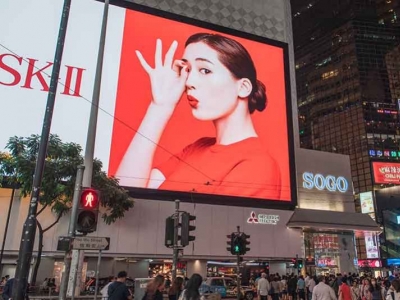
- You need landmark impact, a full MTR station takeover, a Sogo LED Wall, a tram wrap
- Brand visibility over a sustained period is the goal
- The specific location is the point (not the audience profile)
- You want maximum share of voice at a single high traffic site
Best approach: combine both. Traditional OOH for hero placements creates impact and brand awareness. Programmatic DOOH running across the network simultaneously adds frequency and targeting precision. Planning both as an integrated buy typically outperforms either format alone.
For a broader look at outdoor advertising options including traditional OOH formats, the Hong Kong outdoor advertising cost report on Adintime HK covers MTR, bus, billboard and other OOH formats with current rates. If you're comparing MTR advertising vs bus advertising for your campaign, that comparison is worth reading before committing to a format.
Submit your media brief on Adintime HK to get a tailored pDOOH and OOH campaign plan
Current Challenges in HK's pDOOH Market
- Privacy compliance. Hong Kong's Personal Data (Privacy) Ordinance (PDPO) and GDPR apply to audience data used in targeting. Adherence is non negotiable and affects how mobile audience segments can be constructed and used.
- Measurement standardisation. The industry lacks a single unified methodology for impression measurement. Different networks use different methodologies, which can make cross network campaign comparison difficult.
- Creative adaptation. Dynamic pDOOH campaigns require content that can be adapted to different triggers, dayparts, and screen formats. This increases creative production complexity compared to a single static OOH execution.
- Inventory fragmentation. While 2,000+ screens is a meaningful number for HK's market size, the inventory is split across multiple SSPs and networks. A single DSP may not access all available inventory, which requires planning around which network is most appropriate for your goals.
Summary Table: Programmatic DOOH Costs in Hong Kong (2026)
| Format | CPM (HKD) | Package Cost (HKD) | Best For |
|---|---|---|---|
| Standard network (malls, residential) | HK$15–35 | — | Broad reach, frequency building |
| Premium network (MTR, Grade A offices) | HK$40–80 | — | Affluent / professional targeting |
| Starter campaign (1 wk, 500K imp.) | — | HK$30,000–50,000 | First pDOOH test, short activations |
| Growth campaign (2–4 wks, 2M imp.) | — | HK$50,000–150,000 | Sustained awareness, mid market brands |
| Premium campaign (MTR + office + mall) | — | HK$80,000–250,000 | Multi network dominance |
| Event surround (3–5 day burst) | — | HK$30,000–80,000 | Conference, product launch, seasonal push |
FAQ
1. What is programmatic DOOH (pDOOH)?
Programmatic DOOH is the automated buying of digital outdoor advertising inventory through DSPs and SSPs, using real time bidding. Instead of booking a specific screen for a fixed period, you set targeting criteria and a budget, and the technology buys screen time wherever your audience conditions are met.
2. Which pDOOH networks are available in Hong Kong?
Key networks include MTR digital screens, major shopping mall LED networks, Grade A office lobbies in Central and Admiralty, bus shelter networks, and residential lobby screens across HK districts.
3. How is pDOOH different from traditional OOH in Hong Kong?
Traditional OOH gives you a fixed location and a fixed booking period. pDOOH gives you conditions: run only at lunchtime, only when it rains, only in Central office buildings on weekdays. The flexibility is the key differentiator, alongside mid campaign optimization and proof-of-play reporting.
4. Can I target specific audiences with programmatic DOOH in Hong Kong?
Yes. pDOOH enables daypart targeting (specific hours), location targeting (specific buildings or districts), weather triggers (creative changes based on live conditions), and audience segmentation via anonymized mobile data profiles. Omnichannel retargeting can follow exposed audiences to mobile.
5. What DSPs support Hong Kong pDOOH buying?
MTR Advertising uses VIOOH as its SSP, which connects with 35+ DSPs including Hivestack, The Trade Desk, and Yahoo. Other HK pDOOH networks are accessible through dedicated local DSPs and specialist OOH trading desks.
6. What is the minimum budget for a pDOOH campaign in Hong Kong?
The typical minimum spend is HK$30,000, which buys approximately 500,000 impressions over one week on a standard network. Premium network campaigns (MTR + office) typically require HK$80,000+ for meaningful reach.




 Best AI Advertising Tools for Marketers in Hong Kong (2026)
 How to Advertise to Mainland Chinese Visitors in Hong Kong
 Shopping Mall Advertising in Hong Kong: Formats, Footfall and Rates
 WeChat Advertising in Hong Kong: Formats, Costs and How to Set It Up
 Programmatic DOOH in Hong Kong: How It Works and What It Costs
 Understanding YouTube Advertising Costs in 2025
 The Most Widely-Read Magazine and Newspaper in Hong Kong
 Top Social Media Platforms in Hong Kong 2025 | Usage Trends & Marketing Insights
 OOH /DOOH advertising in Hong Kong: Formats and Rates (2025 Update)
 How much does LinkedIn Advertising Cost? (2025 Update)
