 Cookie preferences


How to Use Generative AI for Ad Creative: Copy, Image and Video
Want to save time?
Summarize this article in seconds with AI
Generative AI has made it trivial to produce an ad and surprisingly hard to produce a good one. The tools will hand you a hundred headlines and fifty images in an afternoon. Most of them will be fine and forgettable. The skill now is not generating creative; it is directing and editing it, and knowing what to keep.
This guide is a practical workflow for using generative AI on copy, image and video for Hong Kong campaigns, including the local steps around Chinese language creative that generic guides skip.
Put your AI made creative to work across Adintime HK channels
Table of Contents
- Start with the brief, not the tool
- Generating ad copy
- Generating images
- Generating video
- The Hong Kong localisation step
- The review checklist
- FAQ
Start with the brief, not the tool
The most common mistake is opening a tool and typing "make me an ad". Generative AI is only as good as the direction you give it, so the brief still comes first. Define the audience, the single message, the tone, the format and the platform before you prompt anything. A clear brief turns a vague generator into a fast, focused assistant.
This is also where your strategy lives. The AI will not decide whether you should be on Instagram or the MTR, or whether the message is price or prestige. That thinking happens before any prompt, and it is what separates a campaign from a pile of assets.
Generating ad copy
For copy, general models like ChatGPT, Claude and Gemini, or specialist tools like Jasper, work well for headlines, descriptions and variations. The technique that matters is prompting with constraints: give the model your brand voice, your character limits, your do-not-say list and two or three example lines you like. Vague prompts produce vague copy.
Use AI to widen the field, then cut hard. Generate twenty headlines, keep the three that actually have an idea, and rewrite them in a human hand. The goal is a shortlist you sharpen, not a first draft you ship. Our piece on the best uses of AI generated content shows examples of where this pays off.
Generating images
For visuals, tools like Midjourney, DALL·E, Adobe Firefly and Canva AI produce images from prompts, and can extend or resize existing assets. They are strong for concepting, mood exploration and social variants where a full shot is not justified.
Two practical cautions. Brand consistency is hard to hold across generated images, so lock down colours, style references and product accuracy before scaling. And product realism matters: AI is notorious for subtly wrong details, from extra fingers to a logo that is almost right. Anything showing your actual product needs a careful human check before it runs.
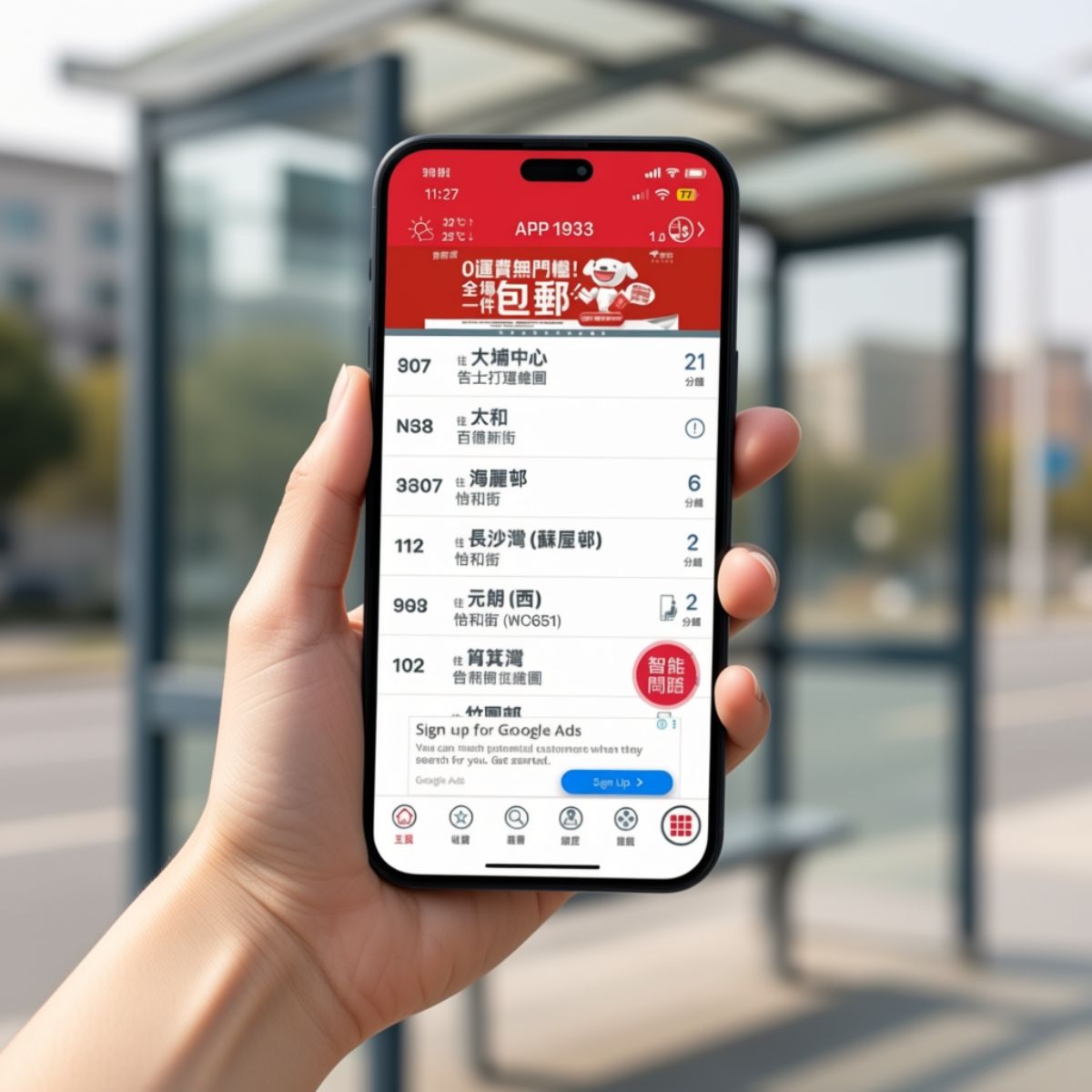
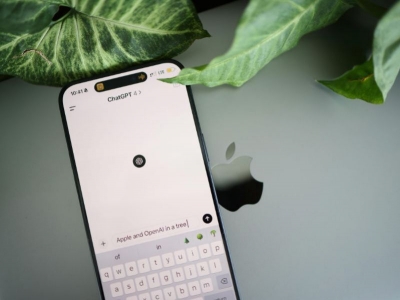
Using AI can facilitate the presentation of social media campaign.
Generating video
AI video tools such as Runway and Pika can generate short clips, animate stills and speed up editing. For social first, lower stakes content they can cut production time dramatically. For hero brand films, they are still an assist rather than a replacement, and quality varies shot to shot.
Treat AI video as a way to produce volume and test ideas cheaply, then invest real production in the concepts that prove themselves. It pairs with the trends in our video advertising guide.
%20(12).jpg)
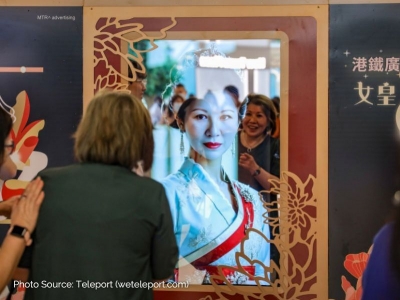
AI is using to strength the retro Hong Kong elements in Dah Sing Insurance's MTR campaign.
The Hong Kong localization step
This is the step global workflows leave out, and it is where Hong Kong campaigns get made or broken.
AI output in English is strong. In Traditional Chinese and Cantonese it is inconsistent, and a literal translation of an English line often reads as stilted or as mainland Simplified phrasing that Hong Kong audiences notice immediately. Tone, idiom and even wordplay do not survive a straight conversion. The rule is simple: never publish AI generated Chinese copy without a native Hong Kong speaker reviewing and reworking it. The same applies to imagery, where cultural cues, faces and settings should feel local, not generically Asian.
The review checklist
Before any AI made asset goes live, run it through a short check:
- Does it serve the brief, or is it just competent? Cut competent but pointless.
- Is it on brand? Colours, voice, logo and product accurate.
- Is the Chinese copy reviewed by a native speaker, not machine translated?
- Are the claims true and substantiated? AI invents specifics.
- Do you have the rights? Check the tool's licensing for commercial use.
- Would a human have made it better in the time saved? If yes, do that.
Used this way, generative AI becomes a genuine multiplier: more ideas, faster testing, lower production cost, without the sea of forgettable sameness that gives AI creative a bad name. If you want help turning AI made assets into a working Hong Kong campaign, submit a brief, and see where creative lands on our display options.
Summary Table
| Asset | Good for | Watch out |
|---|---|---|
| Copy | Headlines, variations, first drafts | Chinese needs native review |
| Image | Concepting, social variants, resizing | Brand consistency, product accuracy |
| Video | Social content, testing, editing | Variable quality for hero films |
FAQ
1. Can generative AI make a whole ad campaign?
It can produce the assets quickly, but not the strategy or the idea. The workflow still starts with a human brief and ends with human review. AI widens your options and speeds production; it does not decide what to say.
2. Which tools are best for ad copy?
General models like ChatGPT, Claude and Gemini, and specialists like Jasper, all work well. The key is prompting with constraints: brand voice, character limits, a do-not-say list and example lines you like.
3. Is AI generated Chinese copy safe to publish?
Not without review. English output is strong, but Traditional Chinese and Cantonese are inconsistent, and literal translations often read as stilted or Simplified. Always have a native Hong Kong speaker rework Chinese copy.
4. What are the risks with AI images and video?
Brand inconsistency, subtly wrong product details, and variable video quality. Anything showing your actual product needs a careful human check, and hero films still benefit from real production.
5. Do I own the rights to AI generated creative?
It depends on the tool and its licence, and rules are still evolving. Check each tool's terms for commercial use before you run anything, especially for paid media.
6. How do I avoid generic AI creative?
Direct it with a sharp brief, generate widely, then cut hard and rewrite in a human hand. Keep only the assets that serve the brief and have a genuine idea, not just the ones that look competent.


 Programmatic DOOH in Hong Kong: How It Works and What It Costs
 Cantonese, Mandarin or English: Choosing Your Ad Language in Hong Kong
 AI in Advertising: Ethics, Deepfakes and Regulation in Hong Kong
 How to Use Generative AI for Ad Creative: Copy, Image and Video
 Airport Advertising in Hong Kong: Formats & What Advertisers Need to Know
 Understanding YouTube Advertising Costs in 2025
 The Most Widely-Read Magazine and Newspaper in Hong Kong
 Top Social Media Platforms in Hong Kong 2025 | Usage Trends & Marketing Insights
 OOH /DOOH advertising in Hong Kong: Formats and Rates (2025 Update)
 How much does LinkedIn Advertising Cost? (2025 Update)
