 Cookie preferences


How to Create An Advertising Budget? 2026 Guide, Tips, and Formulas
The first question when advertising is always: "How much should I spend?" The reality is, the approach to calculating your ad budget differs widely across industries, business stages, and even ad formats—whether it's OOH, online ads, or something else. Instead of rigidly applying generic "industry averages" (like the traditional advice to use 5–15% of revenue), Hong Kong businesses need a method that is localized, flexible, and capable of quantifying returns.
This article breaks down the core logic of ad budgeting, providing practical, measurable planning methods tailored for the Hong Kong market. This will help you clearly determine how much to invest, where to allocate it, and how to measure the return.
Quickly jump to:
- Percentage of Revenue Model
- Customer Acquisition Cost (CAC) Model
- Media Cost & Impression Demand Model (CPM/CPC/Impression)
How to Set An Ad Budget? Three Common Methods
1. Percentage of Revenue Model
Best Suited For:
SMEs with consistent annual revenue.
Common Recommendation:
Allocate 5–15% of annual revenue towards the annual marketing / advertising budget.
Typical Reference Range in Hong Kong:
| Industry Category | Suggested Percentage |
|---|---|
| E-commerce & Retail | 10–20% (Highly Competitive) |
| Education, Fitness, Beauty | 8–15% |
| B2B / Professional Services | 5–10% |
| New Brand or Product Launch | 15–30% |
While this method is simple to use, it lacks strategic focus, especially if the business is expanding into new markets or is in a rapid growth phase.
2. The Customer Acquisition Cost (CAC) Model
Best Suited For:
Businesses focused on lead generation or sales conversions.
The calculation is straightforward:
If the business has a clear grasp of its Customer Lifetime Value (LTV) and average profit, it can work backward to find the acceptable advertising cost per customer.
Example Conversion Ads Budget Formula:
Acceptable Ad Cost (Customer Acquisition Cost/CAC) = Customer Average Profit × Acceptable Investment Ratio
Example Case:
Customer Average Profit: HK$1,00
The business can accept 30% for customer acquisition
→ Acceptable CAC = HK$300
If the goal is 50 new customers per month:
→ The required ad budget is approximately HK$15,000/month
This model is especially suitable for:
- Instagram Ads
Programmatic DOOH
3. The Media Cost and Impression Demand Model (CPM/CPC/Impression)
Best Suited For:
Businesses focused on awareness (brand promotion, boosting visibility, event campaigns, etc.).
The method involves estimating the required budget by calculating backwards from the desired volume of impressions or reach.
Reference CPMs for Common Hong Kong Media (Approximate Ranges):
| Media Type | Reference CPM (HKD) | Notes |
|---|---|---|
| Facebook/Instagram | 20–60 (Peak Season can rise to 80–120) | Highly affected by audience precision, competition, and seasonality |
| YouTube In-Stream | 40–120 (Precise targeting can reach 150–200) | Greater fluctuation due to DV360 or high-value inventory |
| Programmatic DOOH (Malls / Office Buildings) | 80–200 | Influenced by location, foot traffic, and network type |
| Large Format LED (Mong Kok/Causeway Bay) | Priced mostly by week/month; CPM is not the primary factor | CPM calculation is inconsistent, direct comparison is not recommended |
Quick Summary:
Social Media CPM is typically the lowest, YouTube is mid-range, DOOH is higher, and large format LEDs generally do not use CPM as the primary pricing metric.
If a business aims for 500,000 impressions, the budget can be calculated by media type:
Facebook (using CPM = 40 Calculation)
→ Budget ≈ HK$20,000YouTube (using CPM = 80 Calculation)
→ Budget ≈ HK$40,000Programmatic DOOH (using CPM = 150 Calculation)
→ Budget ≈ HK$75,000- → Recommendation: Priced by weekly/monthly quote (typically between HK$80,000–300,000+); CPM calculation is not recommended.
How Should You Allocate Your Budget?
Once you've determined your total ad spend, the next step is strategic allocation, as most businesses use a mix of ad types. Here's a framework for thinking about media distribution:
1. The 70/20/10 Model
This method balances proven performance with future growth:
70% → Proven Core Channels
E.g., Facebook, Instagram, Google Search, and other media where conversions are quantifiable.
The focus is on maintaining steady traffic and inquiries.20% → Testing Potential Channels
E.g., YouTube, Programmatic DOOH, or TikTok.
Used to explore new reach and lower-cost exposure.10% → Brand Exposure & Creative Channels
Includes bus bodies, MTR lightboxes, LED ads, and other OOH media.
This segment builds brand credibility and recognition, rather than focusing on short-term conversion.
2. Lead Conversion/Funnel Allocation
- Traffic/Lead Generation 50–70%: Used for channels that most directly drive inquiries or sales, such as search, social media, or website traffic ads. This is the core driver of business results, hence the highest percentage.
- Brand Trust & Credibility 20–40%: Used for media that builds familiarity and trust ("see you, trust you") with prospects, including various outdoor ads. This portion can significantly boost the conversion rate of online ads, especially in highly competitive markets.
- Retargeting 10–20%: Used to re-engage users who previously interacted with the brand but did not inquire, including Facebook/Google retargeting, YouTube retargeting, or email marketing. Retargeting significantly lowers the Customer Acquisition Cost (CAC) and is a critical component of the budget.
Tight Budget? These Hong Kong Ads Offer High CP Ratio (Cost-Performance)
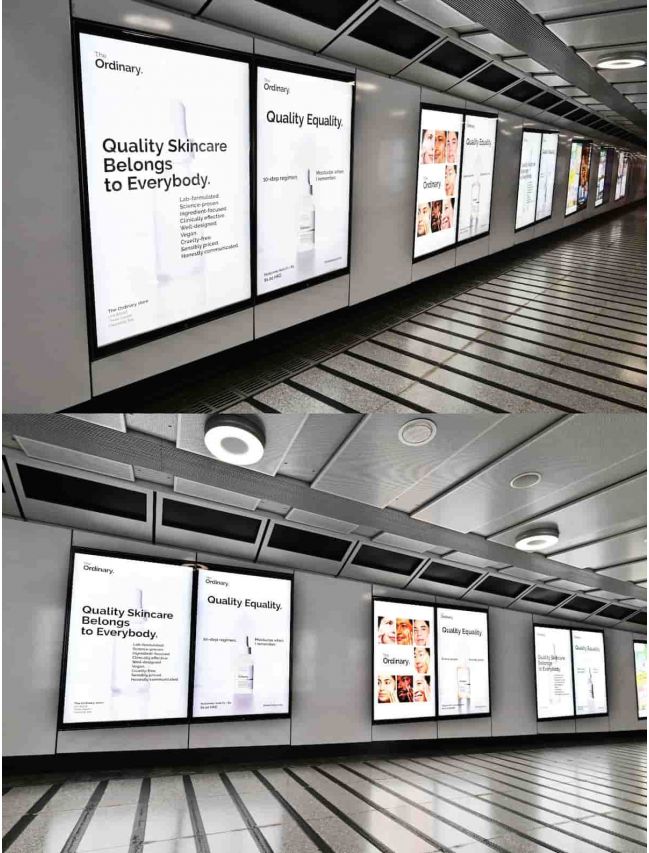
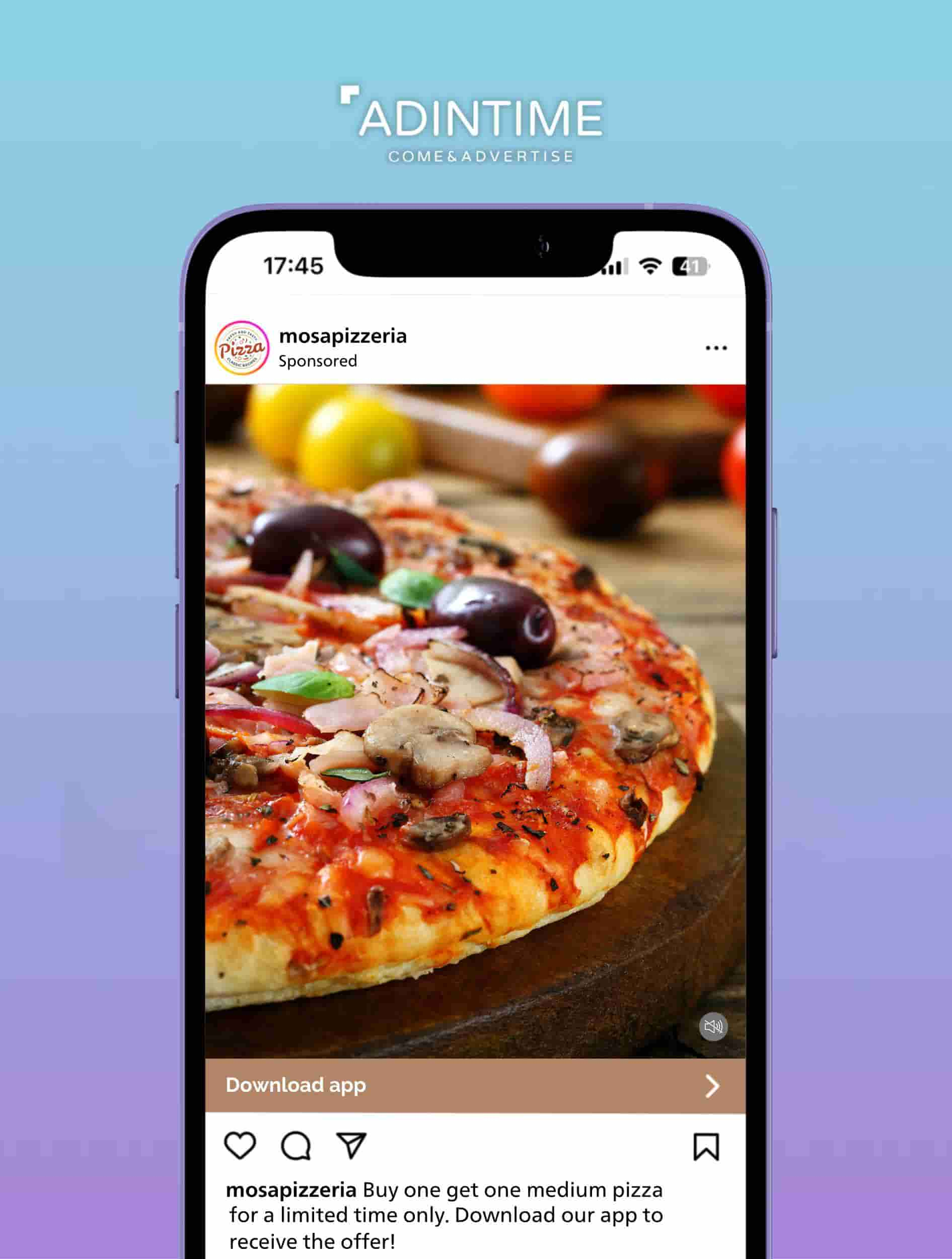


.jpg)

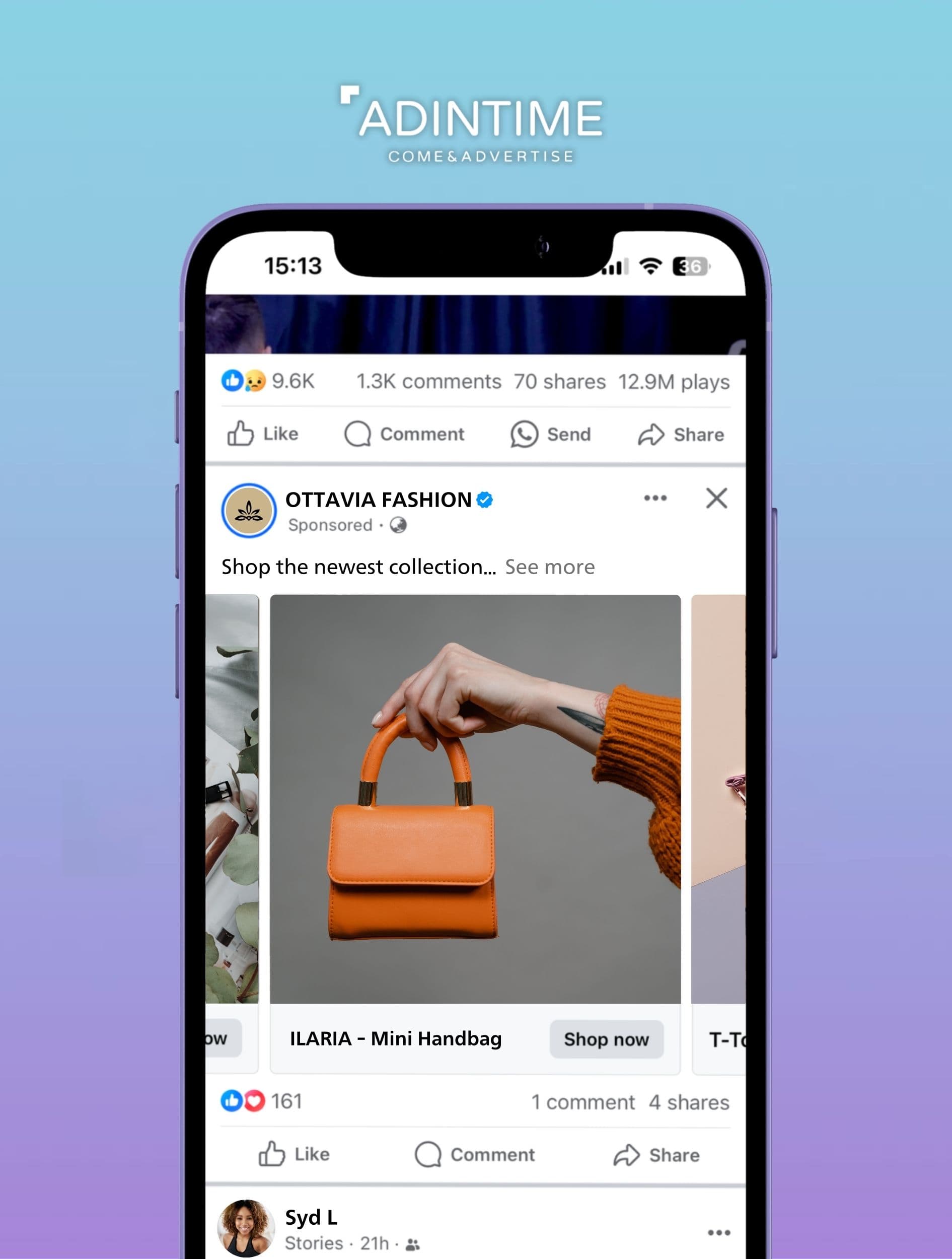
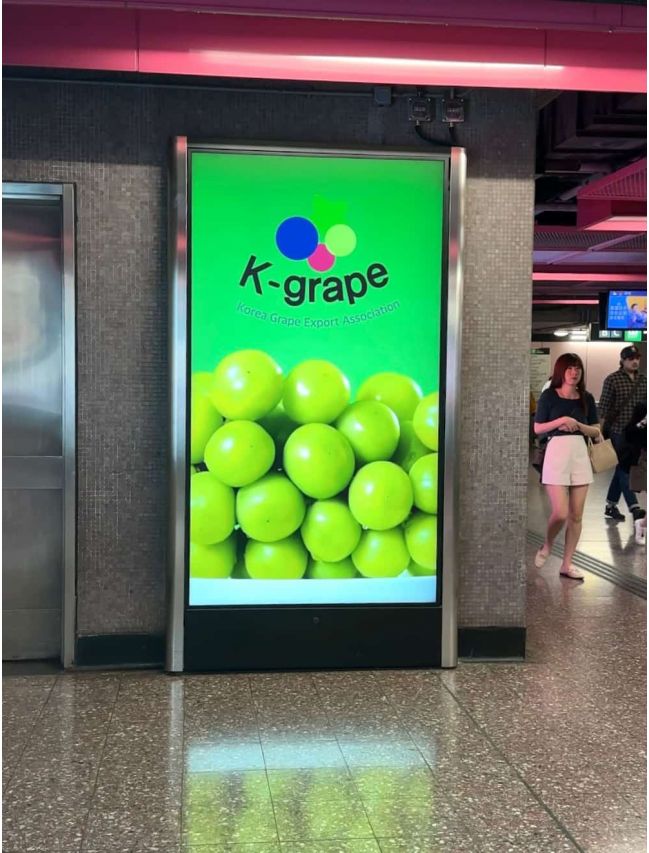
How to Plan Your Ad Budget with Adintime
If you're unsure how much to set aside for your ad spend or which media aligns best with your goals, we’re here to help. Tell us about your industry, objectives, and approximate budget, and we will assess the optimal amount and estimate achievable exposure. We will then select the most suitable mix from channels like the MTR, buses, trams, TV, and online platforms. Whether you are running your first campaign or optimizing an existing strategy, we can help you create a clearer, more effective advertising budget.



 How to Advertise to Mainland Chinese Visitors in Hong Kong
 Shopping Mall Advertising in Hong Kong: Formats, Footfall and Rates
 WeChat Advertising in Hong Kong: Formats, Costs and How to Set It Up
 Programmatic DOOH in Hong Kong: How It Works and What It Costs
 Cantonese, Mandarin or English: Choosing Your Ad Language in Hong Kong
 Understanding YouTube Advertising Costs in 2025
 The Most Widely-Read Magazine and Newspaper in Hong Kong
 Top Social Media Platforms in Hong Kong 2025 | Usage Trends & Marketing Insights
 OOH /DOOH advertising in Hong Kong: Formats and Rates (2025 Update)
 How much does LinkedIn Advertising Cost? (2025 Update)
